Why Some Fires Burn All Night and Others Die by Nine
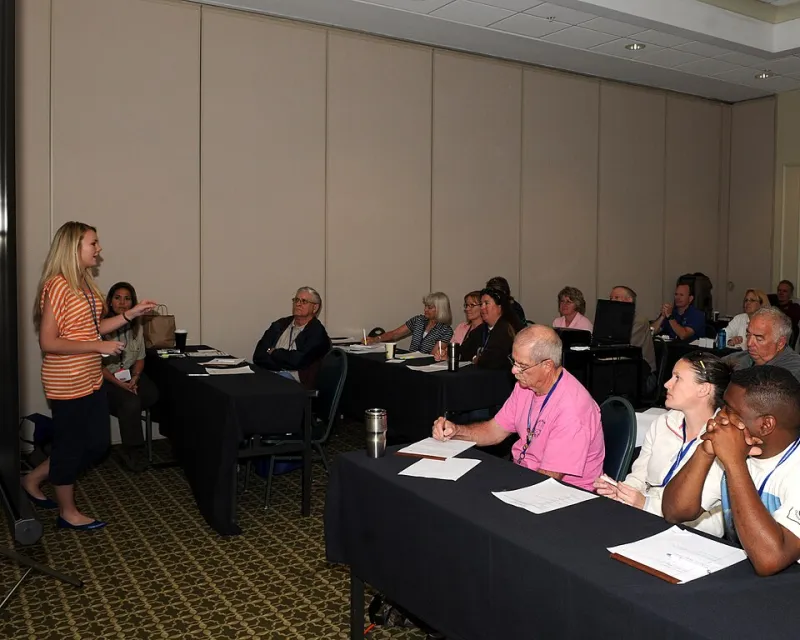
Photo: USFWS/Southeast, Public domain, via Wikimedia Commons
You've been there. You put in the work — the wood, the snacks, the playlist, the whole setup — and somehow, by 8:45, people are yawning and making excuses about early mornings. Meanwhile, you've also had those other nights. The ones that started with no plan and ended with someone saying, "Wait, it's 2 a.m.?"
What's the difference? It's not always about effort. Sometimes the most carefully planned fire night fizzles, and the most spontaneous one catches like dry kindling. The gap between a gathering that clicks and one that falls flat usually comes down to a handful of factors that nobody talks about — until now.
The Group Composition Problem
Here's a truth that might sting a little: the people you invite matter more than anything else you do. Not because some people are bad guests, but because group chemistry is a living thing. It breathes, it shifts, it either sparks or it doesn't.
The most common mistake? Inviting too wide a mix without a social anchor. If you've got your college roommates, your coworkers, your neighbor you just met, and your cousin from out of town — all strangers to each other — you've essentially thrown five separate parties into one fire circle and hoped for the best. Without someone who bridges those worlds, people cluster into their comfort zones and the night fragments.
The sweet spot is usually a tight core group with one or two new additions, not the other way around. The established energy carries the night, and the newcomers get pulled into it rather than left floating on the edges.
Reader Danielle from Nashville put it plainly: "The best fire nights I've ever had were with people who already had inside jokes. New people are great, but they need something to latch onto. When everyone's equally lost, nobody leads."
Timing Isn't Just About the Calendar
Most people think about timing in terms of season — fall weekends, summer Saturdays, that kind of thing. But the timing that actually shapes a gathering is much more specific.
Start time matters enormously. Fires that kick off too early, before dark settles in, lose the atmosphere that makes them feel different from a backyard barbecue. The ritual of a bonfire is tied to the dark. The light contrast, the way faces glow, the way the rest of the world falls away — none of that exists at 5 p.m. in July.
But starting too late creates its own problems. If people are already tired when they arrive, you're fighting biology. That window between dusk and about 10 p.m. is genuinely golden. Everything after that requires the group to already be locked in.
There's also the question of what happened earlier that day. Marcus from Austin noticed this pattern after years of hosting: "If people came from something stressful — a long workweek, a family thing, traffic — it takes them a full hour to decompress. The fire nights that go best are usually the ones where people had a decent day before they showed up."
Location Does More Work Than You Think
The physical setup of your fire shapes behavior in ways that feel invisible but are completely real. A fire circle that's too large spreads people out and kills conversation. A setup that's too cramped makes everyone uncomfortable and self-conscious. The ideal circle is close enough that you don't have to raise your voice, but spacious enough that people aren't bumping elbows.
Background noise is another underrated factor. A fire near a road, under a flight path, or next to a loud HVAC unit is fighting against itself. You want the fire to be the loudest thing happening. When it is, something shifts — people lean in, they lower their voices, and the intimacy builds naturally.
Seating variety also plays a role. Mix of chairs, logs, blankets on the ground — different heights and positions keep people moving and mixing. When everyone's locked into assigned lawn chairs in a perfect ring, the gathering can feel weirdly formal, like a meeting with flames.
The Unspoken Role of a Keeper
Every great bonfire night has someone quietly holding it together — not the loudest person, not the one telling the best stories, but the one keeping the fire fed, refilling drinks without being asked, and pulling the shy person into the conversation. Call them the keeper.
When no one plays that role, things drift. The fire goes low and nobody notices until it's basically out. The energy dips and there's nothing to catch it. The keeper doesn't have to be the host — sometimes the best keepers are guests who just naturally tune into what the group needs.
If you're hosting and you want the night to land, either play this role yourself or make sure someone else will. It's not about controlling the vibe. It's about tending it, the same way you tend the fire itself.
When the Night Loses the Thread
Even great gatherings hit a wall. Someone leaves early and the energy shifts. A topic comes up that divides the room. The music stops and nobody restarts it. These moments aren't death sentences — they're just inflection points.
The gatherings that recover are the ones where someone notices the shift and does something small to redirect it. Throw another log on. Pull out the cards or the guitar. Ask the one question that gets everyone talking again. It doesn't take much — momentum is easier to restart than it is to build from scratch.
The gatherings that die are usually the ones where everyone feels the dip and waits for someone else to fix it. That hesitation is contagious. Once enough people check their phones, the night is basically over.
What You Can Actually Control
None of this is about engineering a perfect night. Bonfire culture doesn't work that way — the best moments are almost always unplanned, unscripted, and a little surprising. But there's a difference between leaving room for magic and leaving everything to chance.
Control the things you can: the size of the circle, the start time, the core group, the fuel supply. Let go of the things you can't: whether people click, whether the conversation goes somewhere unexpected, whether the night becomes a story.
The fire will do some of the work for you. It always does. Your job is just to get the right people around it, at the right time, and let the rest happen.
That's the whole thing, really. The bonfire doesn't care about your playlist or your s'mores setup or your Instagram-worthy fire pit. It cares about the people. Get that right, and the rest takes care of itself.