Just You and the Flame: What Solo Fire Nights Actually Do for You
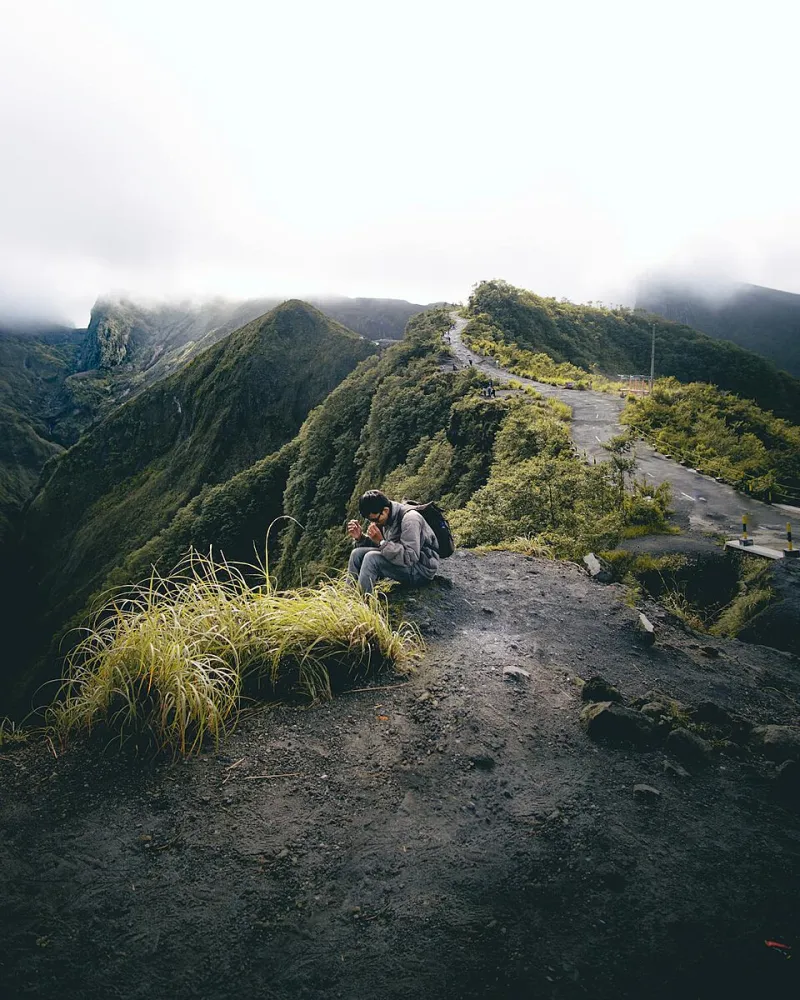
Photo: Semowe, CC0, via Wikimedia Commons
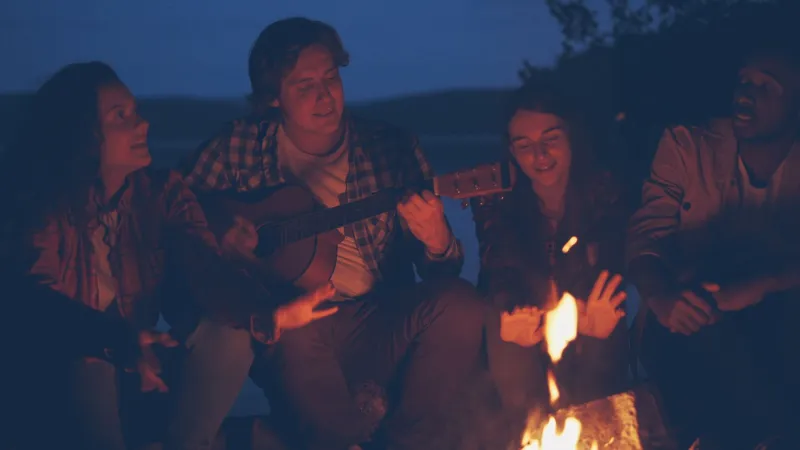
Everybody talks about bonfires like they're inherently a group activity. And yeah, most of the time, that's true — the whole point is the circle, the voices, the shared warmth. But there's a quieter version of fire culture that doesn't get nearly enough credit.
The solo fire night.
No guests. No coordination. No splitting the cost of firewood or figuring out who's bringing chairs. Just you, a fire you built yourself, and however many hours you want to sit with it.
If that sounds lonely, you might be thinking about it wrong.
Why More People Are Choosing to Sit Alone
Look, American social life is exhausting right now. Everyone's overscheduled, overstimulated, and perpetually half-present — scrolling while talking, texting while nodding, never quite all the way in any moment. A bonfire is supposed to be an antidote to that. But even a bonfire with other people requires a version of you that's performing: telling stories, reading the room, managing energy.
A solo fire asks nothing of you. It just burns.
There's a growing conversation around solitude as a genuine need — not a consolation prize when the plans fall through, but something worth seeking out on purpose. People who meditate, who journal, who take long solo drives understand this instinctively. A solo bonfire fits into that same category. It's structured solitude. Intentional quiet. A container for whatever thoughts have been waiting their turn.
What Actually Happens When You Sit Alone With Fire
The first fifteen minutes are usually restless. Your brain is still in social mode, half-expecting someone to show up, reaching for your phone out of habit. Let that happen without judgment. It passes.
Around the twenty-minute mark, something shifts. Fire has this quality — well-documented, actually — of capturing attention in a way that's absorbing but not demanding. Researchers call it a "low-grade mesmerism." Your focus narrows to the movement of the flame without requiring cognitive effort. Heart rate drops. Muscle tension eases. You're not doing anything, exactly, but you're also not not doing something.
This is the sweet spot.
Thoughts come up in this state that don't surface during normal life — the kind that need quiet and space to reach the surface. Sometimes it's something you've been avoiding. Sometimes it's something creative. Sometimes it's nothing profound at all, just a slow, pleasant drift through the day. All of it counts.
The Mindfulness Angle (Without the App)
Mindfulness gets packaged a lot of ways these days — apps, guided sessions, branded breathing exercises. There's nothing wrong with any of that. But fire is one of the oldest mindfulness tools humans have, and it predates every wellness trend by about a million years.
Sitting with a fire solo is a form of open-awareness meditation, whether you call it that or not. You're grounded in the physical — the heat on your face, the smell of smoke, the crackle of wood — while your mind is free to wander or settle. It's neither pure focus nor pure distraction. It occupies this middle space that feels genuinely restorative.
Mental health professionals increasingly emphasize the value of unstructured, screen-free time in nature. A solo bonfire checks every one of those boxes, with the added benefit of something warm and alive to look at.
Setting Yourself Up for a Good Solo Night
The logistics matter more when you're flying solo, because you don't have other people to compensate for gaps in prep. A few things worth getting right:
Build a fire you can maintain without effort. This isn't the night to experiment with a complex log structure. A simple, stable setup that burns steadily for a couple hours is what you want. You're here to be present, not to babysit flames.
Keep the phone nearby but face-down. Safety first — you should always be reachable in an emergency. But commit to not scrolling. The whole point is to break that loop. If you need something to do with your hands, bring a journal or a book.
Curate your audio intentionally. Some people prefer true silence. Others want ambient sound — rain, forest noise, a low instrumental playlist that doesn't demand attention. Avoid anything with lyrics that'll pull you into active listening. The fire is the main event; the audio is just texture.
Bring something warm to drink. Coffee, tea, hot cider — whatever fits the season. There's something about having a warm mug in your hands that completes the sensory experience and signals to your body: we're settling in.
Let yourself stay as long as you want. Don't schedule something right after. One of the gifts of a solo fire is that nobody else's timeline governs it. When the fire winds down, you wind down. That's the whole deal.
What Solo Fire Culture Actually Challenges
There's something mildly radical about sitting alone at a fire on purpose. Bonfire culture — and American social culture more broadly — tends to equate gathering with togetherness. Doing something solo that's traditionally communal can feel like a statement, even when you're not making one.
But solitude and community aren't opposites. They're complements. The people who show up most fully to a group fire are usually the ones who've spent time with themselves first. You can't bring your whole self to a gathering if you've never checked in with your whole self.
Solo fire nights aren't a rejection of bonfire culture. They're a deeper version of it — the same instinct to gather, turned inward.
The Fire Doesn't Care If You're Alone
Here's what nobody tells you about solo fires: they're surprisingly good company. Not in a metaphysical way (unless you want to go there), but in the simple, practical sense that fire is dynamic and alive. It changes constantly. It responds to wind and wood and the way you breathe near it. Watching it is never boring.
There's a reason humans have sat alone by fires for as long as humans have existed. Some things don't need a crowd to be meaningful.
So the next time the plans fall through, or you just need a night that belongs entirely to you — don't cancel the fire. Light it anyway. Pull up a chair, pour something warm, and let the flame do what it's always done.
Gather you back to yourself.