Throw the Best Bonfire of the Year for Less Than You Think

Photo: Jose Sa, CC BY 2.0, via Wikimedia Commons
There's a myth floating around that throwing a memorable outdoor gathering requires a serious investment — a stocked cooler, a fire pit from the hardware store, a spread of food that looks like a catering order. But anyone who's spent real time around a bonfire knows the truth: the fire does most of the heavy lifting. The warmth, the glow, the way it pulls people in and keeps them there — none of that costs a dime.
What does cost money is the stuff we sometimes overthink. So let's break it down, level by level, and talk about how to host something genuinely special without your wallet taking a hit.
Start With What You Already Have
Before you spend anything, take stock. Do you have a backyard, a driveway, or access to a public park with fire pits? That's your venue — and it's free. Many state and county parks across the US allow campfire or fire pit use with a simple permit or reservation, often under $10. Some don't charge at all.
If you own a fire pit, great. If you don't, check your local Facebook Marketplace or Nextdoor app. Used fire pits show up constantly, sometimes free to a good home. A ring of stones works just as well if you're in a space that allows it. The goal is a contained, safe fire — not an Instagram-worthy setup.
Also worth noting: chairs, blankets, and seating don't need to match. Mismatched lawn chairs, folding camp seats, and a few old quilts thrown over the grass create the kind of laid-back vibe that makes people feel at home immediately.
The Firewood Question
Wood is often the one cost people don't plan for — and it adds up fast if you're buying bundled gas station logs. There are smarter ways to source it.
Check Craigslist and Facebook Marketplace under "free firewood." After storms, people are regularly giving away fallen limbs and cut logs just to clear their property. If you have any connections to someone doing home renovations or tree removal, untreated scrap wood is usually theirs to offload.
Local tree services are another underused resource. Many will drop off wood chips or cut logs for free rather than haul them to a dump. Call ahead and ask — the worst they can say is no.
If you do need to buy wood, warehouse stores like Costco often sell it cheaper per bundle than convenience stores or gas stations. Buying a larger quantity for a group gathering almost always makes more sense than grabbing a few bundles last minute.
Food: The Potluck Is Your Best Friend
Here's the thing about bonfire food — it doesn't need to be fancy. It needs to be easy to eat with your hands, survive being near a fire, and feel like it belongs outside. Hot dogs, s'mores, foil-pack nachos, corn on the cob wrapped in butter and foil — these are crowd-pleasers that cost almost nothing per person.
The potluck format is genuinely one of the most effective social tools in the hosting playbook. Ask each guest to bring one thing: a bag of chips, a six-pack, a dessert, some hot dogs. When you spread the contribution across ten people, nobody feels the pinch, and the table ends up fuller than anything you could have pulled off solo.
For drinks, a big cooler with ice, a few cases of beer, some canned seltzers, and a couple of two-liters of soda covers almost everyone without requiring a bar setup. If you want to offer something a little more special, a batch cocktail in a large jug — think a simple sangria or a spiked lemonade — feels elevated without being expensive.
Building Atmosphere Without Spending Much
Ambiance at a bonfire is mostly created by the fire itself, but a few low-cost additions go a long way.
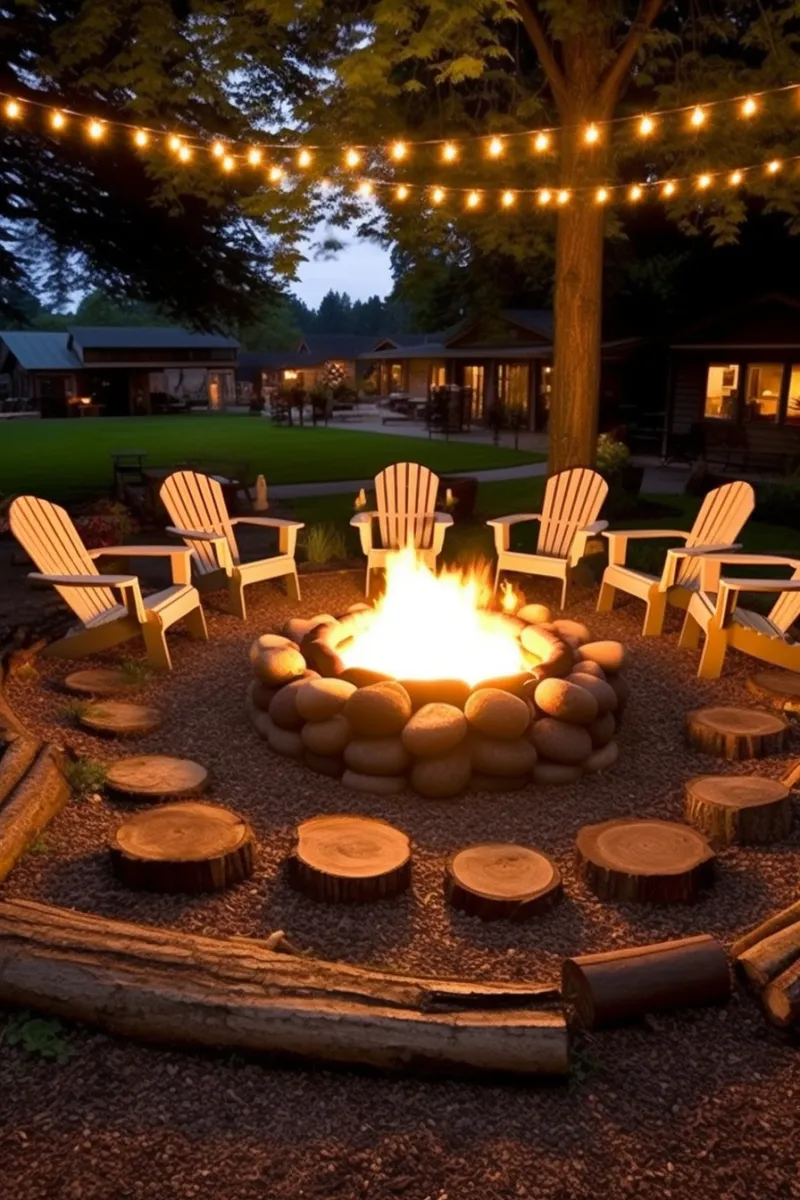
String lights (the kind you can get in bulk at dollar stores or online) draped between trees or along a fence add warmth without requiring electricity — battery-operated ones work perfectly. Tiki torches with citronella oil serve double duty: they light the perimeter and keep bugs away, which in the South and Midwest during late summer is basically a necessity.
For music, a Bluetooth speaker and a shared playlist cost nothing extra if someone already owns the speaker. Put the playlist together collaboratively — send a link in the group chat ahead of time and let everyone add a few songs. It gives guests a sense of ownership before they even arrive.
Candles in mason jars, paper lanterns, and even glow sticks scattered around for kids all create that low-lit, gathered-around-the-fire feel without requiring a lighting designer.
Mid-Range: When You Want to Level Up a Little
If your budget stretches to the $50–$150 range for a group of 15 to 20 people, you can add a few touches that take things up a notch.
A proper s'mores station — with different chocolate varieties, flavored marshmallows, and specialty crackers — becomes a genuine activity, not just a snack. People linger at it, try combinations, and talk. It's interactive in a way that a chip bowl isn't.
You might also consider a small fire starter kit with fatwood or fire starters so the evening doesn't begin with 20 minutes of struggling to get the fire going. That frustration kills the vibe before it starts.
A simple outdoor game like cornhole, bocce, or a ring toss set gives people something to do while the fire builds and keeps energy up during lulls. Most of these can be found at thrift stores or borrowed from a neighbor.
The Real Cost of a Great Bonfire
At the end of the day, what makes a bonfire gathering worth remembering isn't the spread or the setup. It's the invitation to slow down. It's giving people a reason to put their phones away, look each other in the face, and share a few hours around something ancient and warm.
That part? Completely free.
So gather your people, source your wood, ask everyone to bring something, and trust the fire to do what it's always done — pull everyone in close and make the night feel like it matters. Because it does.