From Coast to Cornfield: How America's Regions Light Up the Fall
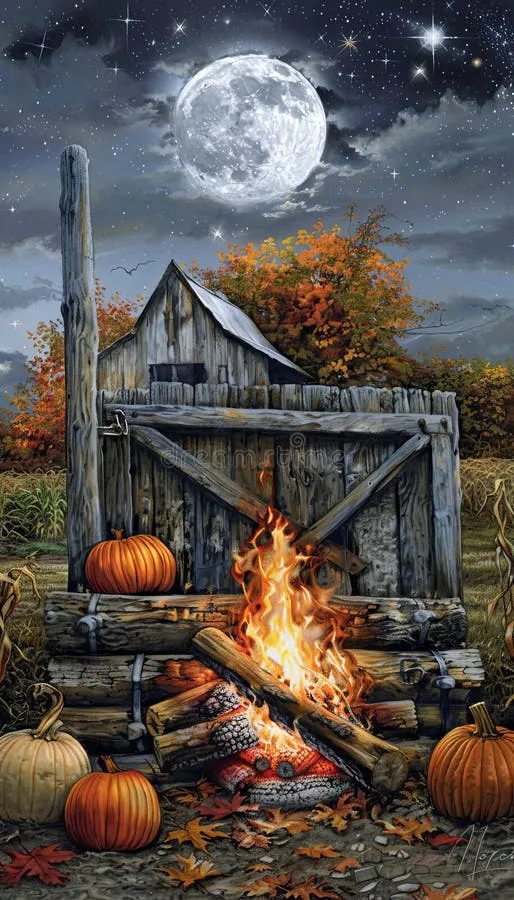
Photo: autumn bonfire gathering rural America fall harvest field, via thumbs.dreamstime.com
There's something that happens every year when the air shifts. The days get shorter, the leaves start talking, and people — no matter where they live — start looking for a reason to build a fire and pull their people close. But here's what's easy to miss: the way Americans do that looks wildly different depending on where you are. The bonfire isn't just a bonfire. It's a reflection of the land it sits on and the people who've gathered there for generations.
At AMW Bonfire, we believe every fire tells a story. And this fall, we're following the smoke across the country.
New England: Where the Fire Meets the Tide
If you've ever stood on a rocky New England beach in October with a fire crackling beside you and the Atlantic doing its thing in the dark, you already understand something essential about this region's gathering culture. From the shores of Cape Cod to the coastal towns of Maine, beach bonfires are practically a fall rite of passage.
In many New England communities, fire permits are taken seriously — and so is the ritual around them. Families and friend groups often return to the same stretch of beach year after year, sometimes for decades. It's less about the spectacle and more about the continuity. The same people, the same spot, the same stories getting a little longer every time they're told.
Fall also brings harvest festivals throughout Massachusetts, Vermont, and Connecticut, where community bonfires anchor evening celebrations after apple picking and corn mazes. These aren't Instagram moments — they're neighborhood events where people actually know each other's names. That kind of gathering is what we're all chasing, honestly.
If you're visiting: Look for permitted beach fire events in towns like Rockport, MA or Old Orchard Beach, ME. Call ahead — coastal fire rules vary by town and season.
The Midwest: Cornfield Burns and Wide-Open Skies
Out in the heartland, fall fire culture is tied directly to the land. After harvest season wraps up, the Midwest has a long tradition of controlled burns — and while those serve a practical agricultural purpose, they've also woven themselves into the social fabric of rural communities.
In states like Iowa, Indiana, and Illinois, it's not unusual for a post-harvest bonfire to double as a neighborhood gathering. Neighbors who spent the summer keeping to themselves suddenly find their way to someone's field with a covered dish and a lawn chair. The fire becomes a reason to reconnect before winter closes everything down.
Hayrides that end at a bonfire are practically a regional institution. Pumpkin farms and orchard operations across the Midwest build their entire fall event calendar around that combination — and for good reason. There's something about arriving at a fire after a cold, bumpy ride through a dark field that makes the warmth hit differently.
Fraternal organizations, 4-H groups, and local churches in smaller Midwest towns often host community bonfires that function as the social event of the season. No ticketing, no headliners — just people gathering because the fire is going and that's reason enough.
If you're visiting: Fall agritourism in the Midwest is underrated. Many farms in Ohio and Michigan host public bonfire nights through October. Search local county fair boards for community event listings.
The South: Swamp Fires, Pit Culture, and Long Nights
Down South, the fire doesn't really need a season — but fall is when it gets serious. In Louisiana bayou country, gathering around a fire is inseparable from the land itself. Swamp-adjacent communities have long used fire as a gathering point, and the atmosphere that comes with a South Louisiana bonfire — cypress trees, Spanish moss, the sound of something moving in the water nearby — is unlike anything else in America.
Louisiana's bonfire tradition also has a more formal expression: the massive bonfires built along the Mississippi River levees each December to light the way for Papa Noël. These structures, some reaching 20 to 30 feet tall, are engineered over weeks by entire communities. It's collaborative fire culture at its most theatrical.
In the Carolinas and Georgia, fall fire culture leans into pit-style gatherings — whole hog cookouts and fish fries where the fire is both the heat source and the social center. People rotate around it all night, conversations shifting with the smoke. In the Appalachian foothills, fall bonfire gatherings often include old-time music, with fiddles and banjos providing the soundtrack as the fire burns down.
If you're visiting: The River Road bonfire communities in St. James and St. John parishes in Louisiana welcome visitors who want to see the building process in November and December. It's a spectacle that deserves more national attention.
The Pacific Northwest: Fire as Refuge
Rain changes everything about how you think about fire. In the Pacific Northwest — Oregon, Washington, and the northern tip of California — a bonfire in fall isn't just pleasant. It's essential. The gathering instinct gets amplified when the weather turns hostile, and fire becomes the thing that makes being outside in October actually work.
Coastal Oregon towns have their own beach fire culture, distinct from New England's in texture and feel. The fires tend to be larger, the nights darker, and the vibe is looser. Driftwood burns blue and green from the salt, and people show up in layers with thermoses of something hot.
Further inland, fire culture in the Pacific Northwest intersects with outdoor recreation communities. Hiking groups and trail organizations host post-season gatherings around fire pits at state parks, marking the end of the summer trail season with a shared meal and a long night under the trees.
If you're visiting: Oregon State Parks has a solid permit system for beach fires. Cannon Beach and Manzanita are worth the trip in October before the hard rain season sets in.
What All of It Means
The through line across all of these traditions — from a Maine beach to a Louisiana levee — is that the fire is never really the point. The fire is the invitation. It says: come here, stay a while, you're welcome at this circle. That's the thing about bonfire culture that doesn't change no matter what state you're standing in.
This fall, if you have the chance to experience a regional tradition outside your own backyard, take it. Show up, listen more than you talk, and let the fire do what it's always done. It'll pull you in.
That's what we're here for.